Sometimes, you just hit a creative wall. It happens to the best of us! But with the right digital tools, you can nudge your creativity back into gear. Here are a few easy tips to help you get inspired every day.
First, experiment with different brushes and textures. Most digital art tools come with a wide variety of options. Try something totally different. You might stumble upon a new style or technique that you love. Don’t be afraid to go wild and create something totally out of the ordinary!
Set small challenges for yourself. One day, focus on drawing only with shapes. Another day could be about colors—pick just three and see what you can create. These little tasks can spark ideas and keep your skills sharp. Plus, they’re fun!
Connect with an online art community. Sharing your work and getting feedback can really motivate you. Look for forums, social media groups, or even art challenges where you can showcase your creations. There’s nothing like a little encouragement from fellow artists to pull you out of a slump!
Lastly, remember to take breaks. Sounds counterintuitive, right? But stepping away for a bit can help clear your mind. When you come back, you’ll feel refreshed and ready to tackle your next project. Creativity isn’t just about pushing hard; sometimes, it’s about letting ideas brew in the background.
Simple Techniques to Enhance Your Skills
Getting better at digital art doesn’t always mean taking a bunch of classes or buying expensive software. Sometimes, all it takes are a few simple techniques to level up your skills. Here are some easy tips that can help you create awesome art every day.
First, practice with different brushes. Most digital art tools come with a variety of brush settings. Play around with the textures, sizes, and opacities. Try using a rough brush for outlines and a soft one for shading. Experimenting like this can really help you find your own style.
Next, focus on color theory. Understanding how colors work together can make a huge difference in your art. Try creating a color wheel or using color palettes from your favorite artworks. This not only speeds up your workflow but also adds harmony to your pieces.
The key to improvement is consistency. Set aside a little time each day to work on something, even if it’s just a sketch. Daily practice keeps your skills sharp and helps you discover new techniques along the way. Honestly, even just doodling can spark great ideas!
Lastly, don’t be afraid to seek feedback. Share your work with friends or online communities. Constructive criticism can open your eyes to areas you might want to focus on. Plus, it’s always motivating to connect with others who share your passion for digital art!
Organizing Your Digital Workspace
Finding a good flow in your digital workspace can make a huge difference in your art journey. A cluttered space can lead to a cluttered mind, so let’s tidy things up! Start by organizing your files. Create folders for different projects, and label them clearly. This way, you can find what you need without wasting time. Trust me, your future self will thank you!
Next up, clean up your toolbars. Most digital art programs let you customize your workspace. Keep only the tools you use the most front and center. If you always reach for the brush tool, put it where it's easy to grab. If there are tools you hardly ever use, consider hiding them to minimize distractions.
Don't forget about your digital files! Regularly back up your work. Use an external hard drive or cloud storage to keep your art safe from unexpected crashes. Plus, making a habit of saving versions of your work can save you from a lot of heartache if you need to revert changes.
Finally, take a moment to think about your environment. A comfortable chair, good lighting, and minimal distractions can all help you focus better. Keep your space inviting and inspiring—surround yourself with things that spark your creativity!
Finding the Right Tools for You
Finding the right digital art tools can feel overwhelming, especially with so many options out there. Whether you're a beginner or a seasoned pro, it's important to choose tools that fit your style and workflow. Start by thinking about what you really want to do with your art. Are you into drawing, painting, or maybe graphic design? Pinpointing your focus can help narrow down your choices.
Next, consider your budget. Digital art tools range from free software to high-end hardware. You don’t need to break the bank to get started! There are plenty of free and low-cost options that give you great quality. Programs like Krita and GIMP are fantastic choices for digital painting, while Canva and Pixlr are perfect for design without the hefty price tag.
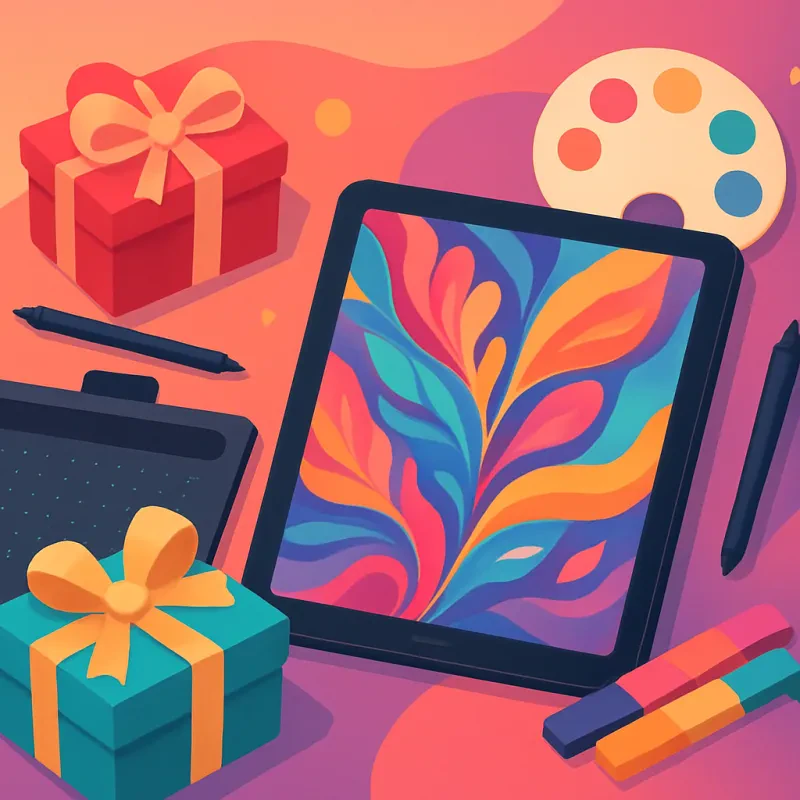
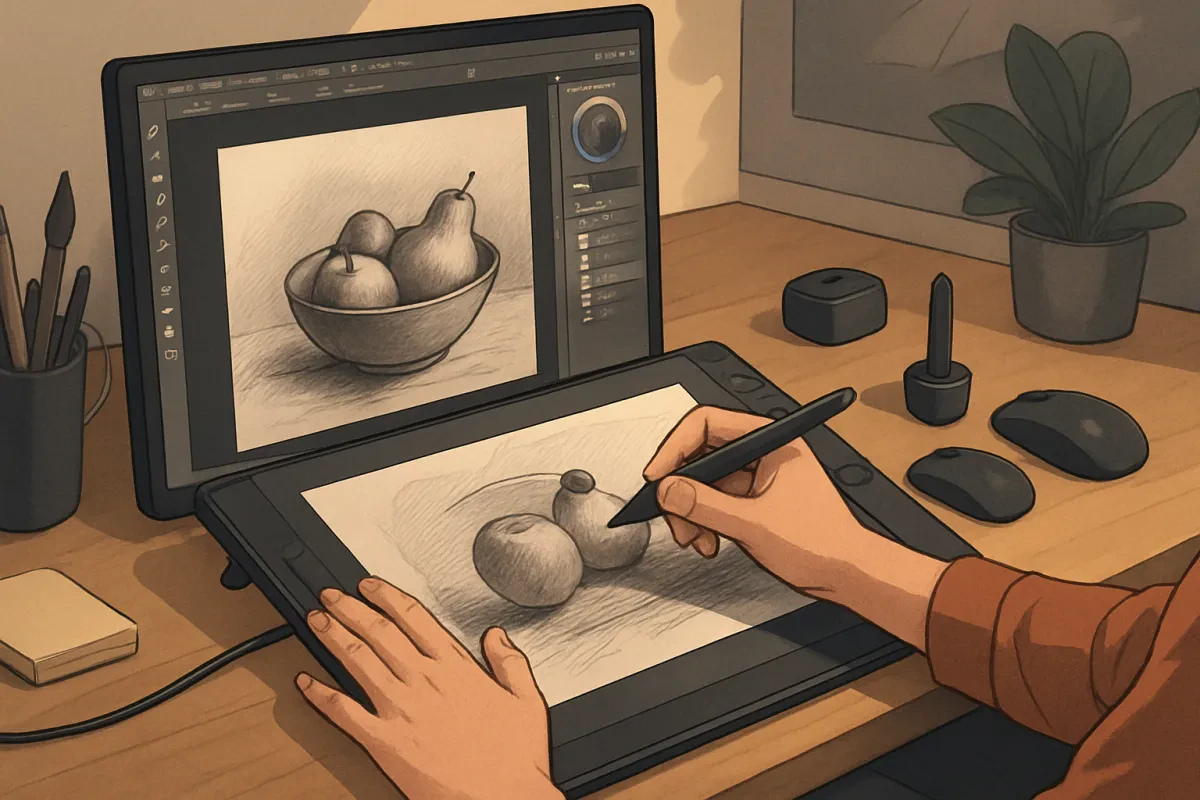
When it comes to tablets, there are plenty of options too. If you're serious about drawing, investing in a graphics tablet can make a big difference. Brands like Wacom offer a variety of sizes and styles that cater to different skill levels. If portability is key, a tablet like the iPad with Apple Pencil is super user-friendly and great for on-the-go creativity.
Don't forget to check out user reviews and demo videos! Seeing how a tool performs in real life can help you make your decision. Plus, many software programs offer free trials, so take advantage of those to see what clicks for you. Just remember, the best tool is one that inspires you and makes your creative process a joy!